The Craft

TheArt&Science
ofRose Breeding

Part discipline, part obsession, a decade-long pursuit of the perfect rose, one cross at a time.

Why we breed

A new rose begins not in a greenhouse,
but in a question.

What if a rose could hold its colour a week longer? Carry a fragrance both classical and unexpected? Resist the diseases that other varieties cannot? Bloom prolifically in the highlands of Kenya, the cool of Holland, and the heat of Ecuador, all from a single seed?

Every variety in our collection started as one of those questions, asked by a breeder, and answered, patiently, over years, by nature.

“Breeding is not designing a rose. It is choosing, from thousands of possibilities, the one nature was already trying to make.”
The Process

From cross to collection

Six chapters in the life of a rose, scroll down to move horizontally through the long road from cross to catalogue.

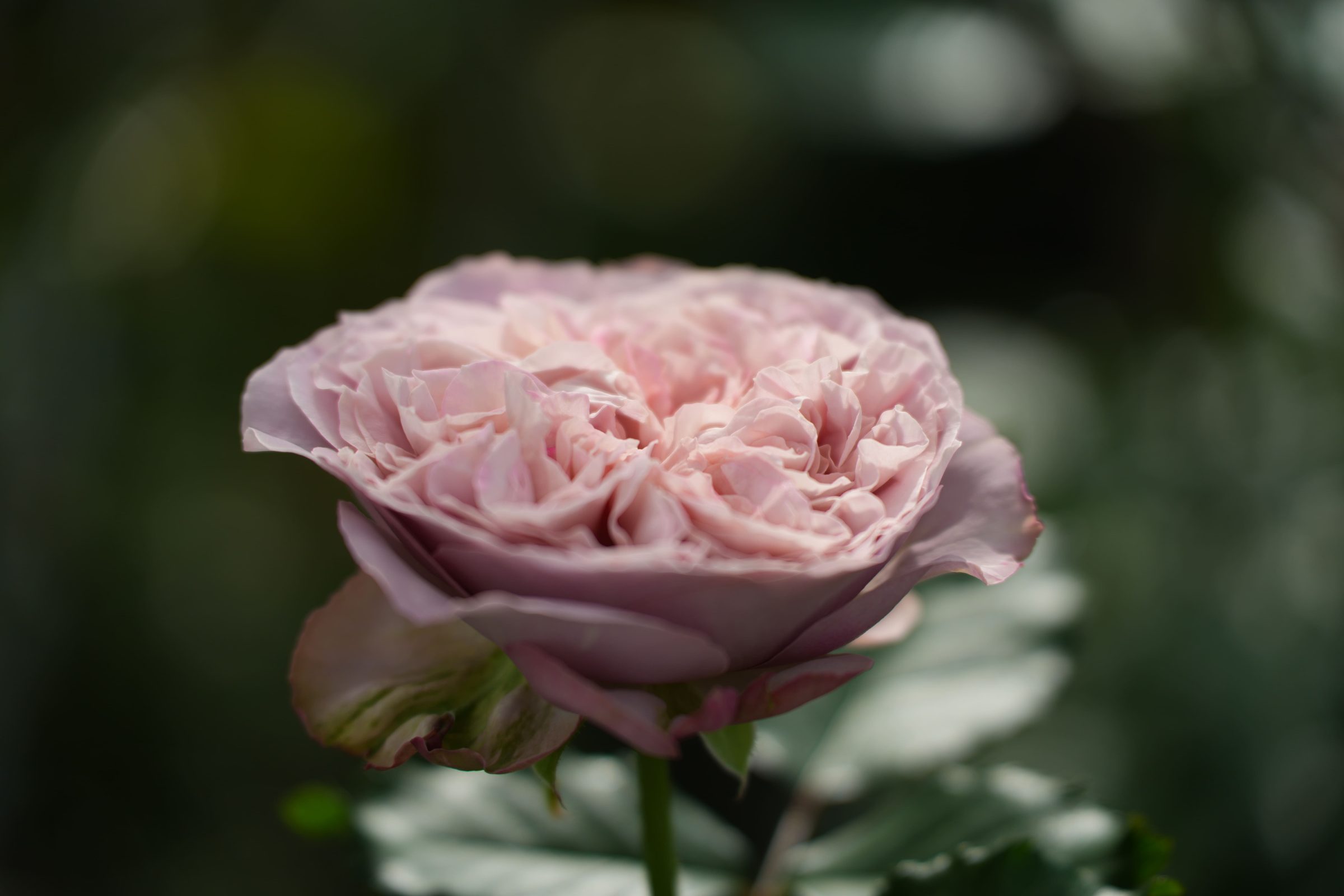
Petal-form study under selection in the breeding rows
01The Cross

A new rose begins as a question

Two roses are chosen, one for the form of its bloom, the other for its disease resistance, its fragrance, its tolerance of African heat. One becomes the seed parent, the other the pollen parent. The breeder removes the anthers of the seed parent by hand and brushes pollen from its chosen father onto the receptive stigma. Each cross is dated, labelled, and written down, an intent recorded in pollen.
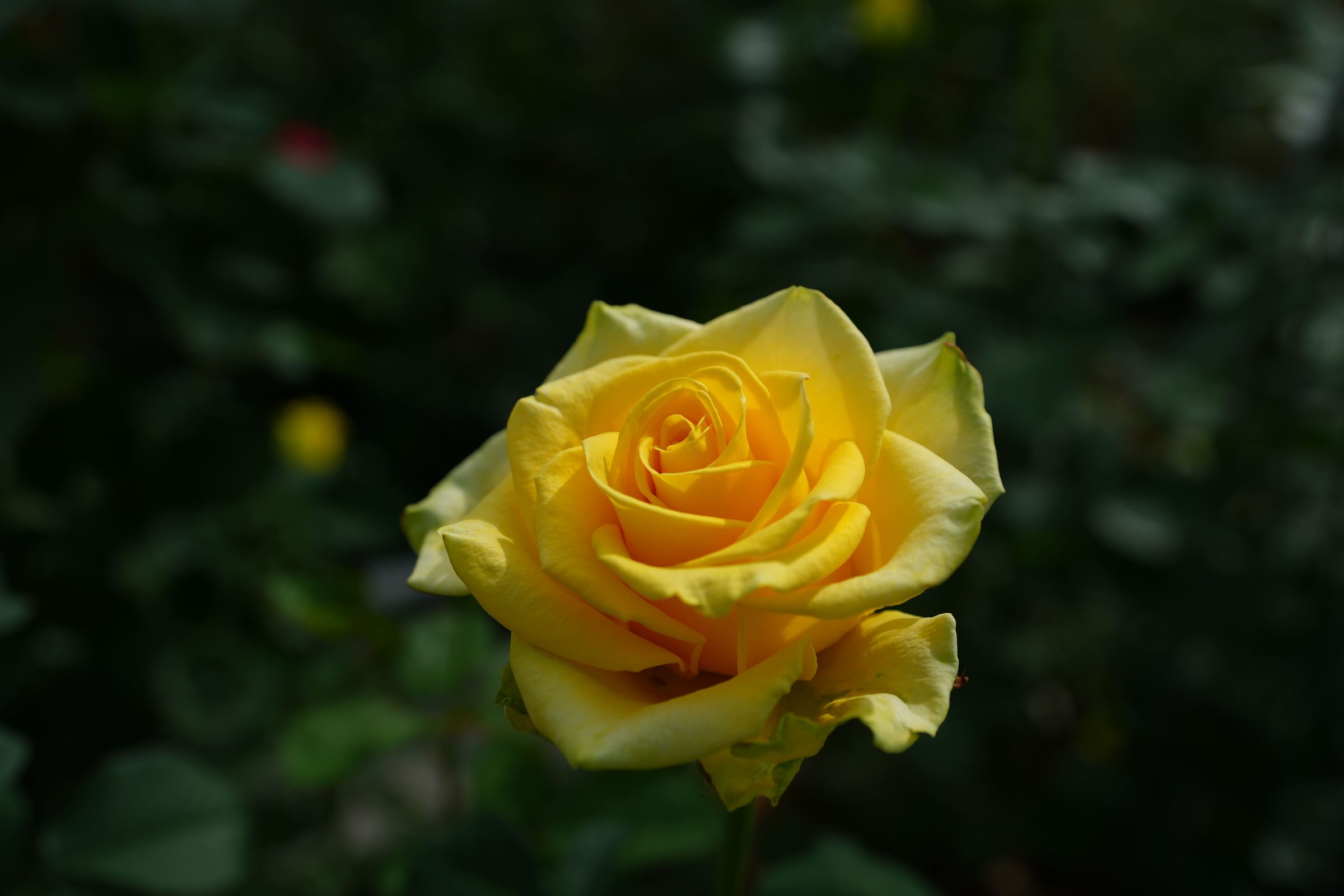
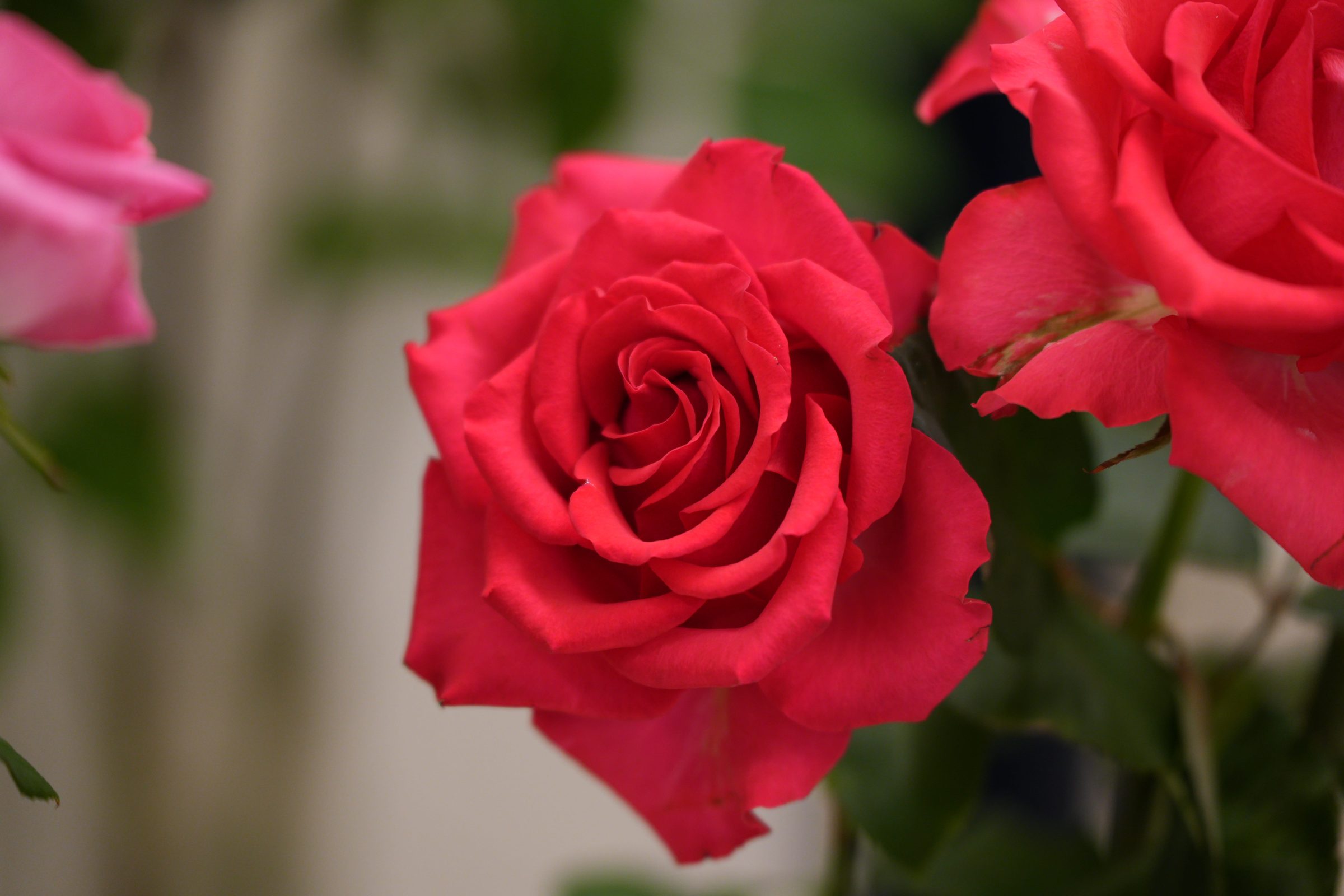
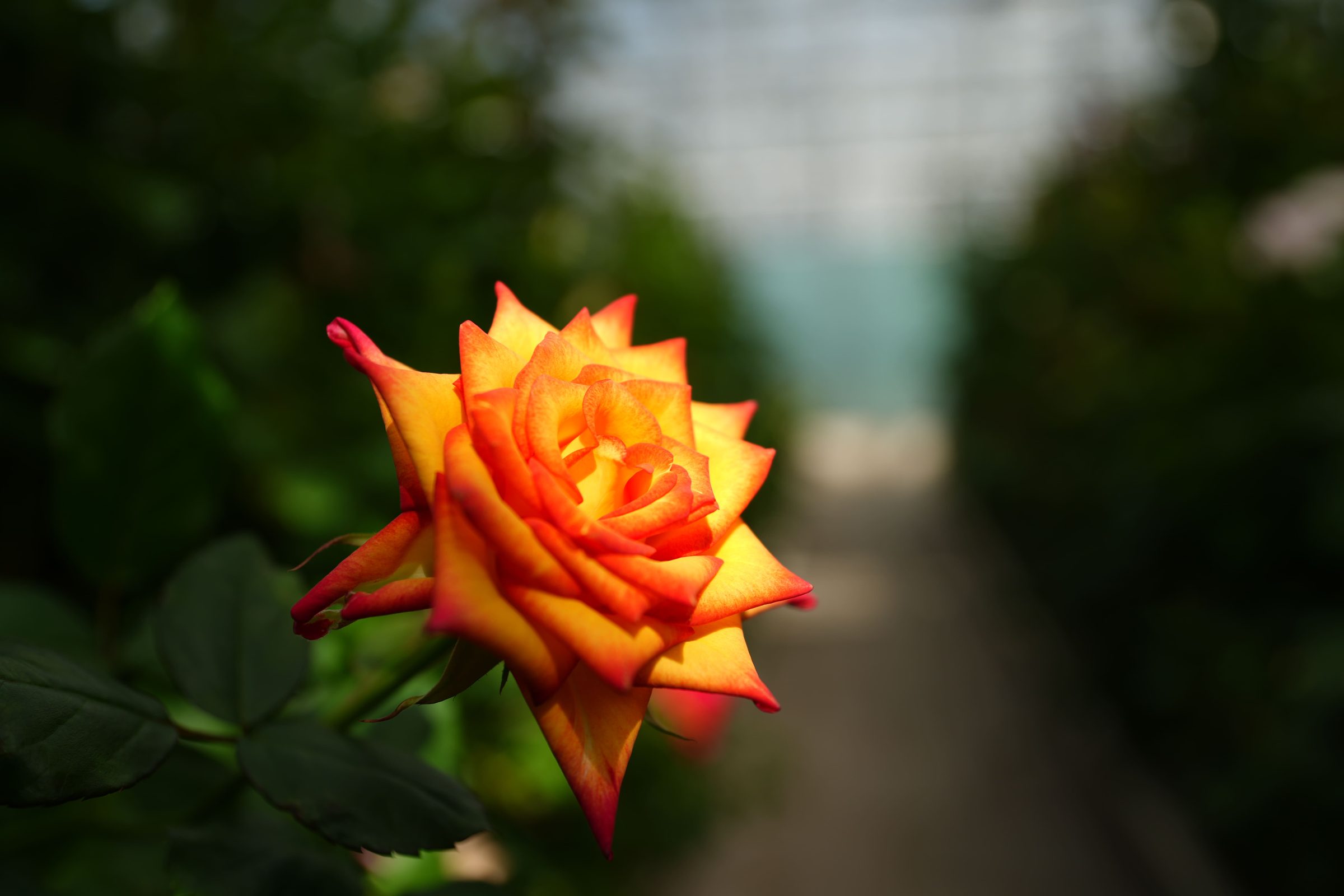
A ripening rose in the breeding greenhouse
02The Hip

The fruit swells through the summer

Over the next three to four months, the fertilised flower transforms into a rose hip, the fruit of the rose. It ripens from green to deep red, swelling with seeds. Each hip carries the genetic story of two parents recombined in thousands of new ways: every seed inside is a fresh, unrepeatable variety waiting to be discovered.

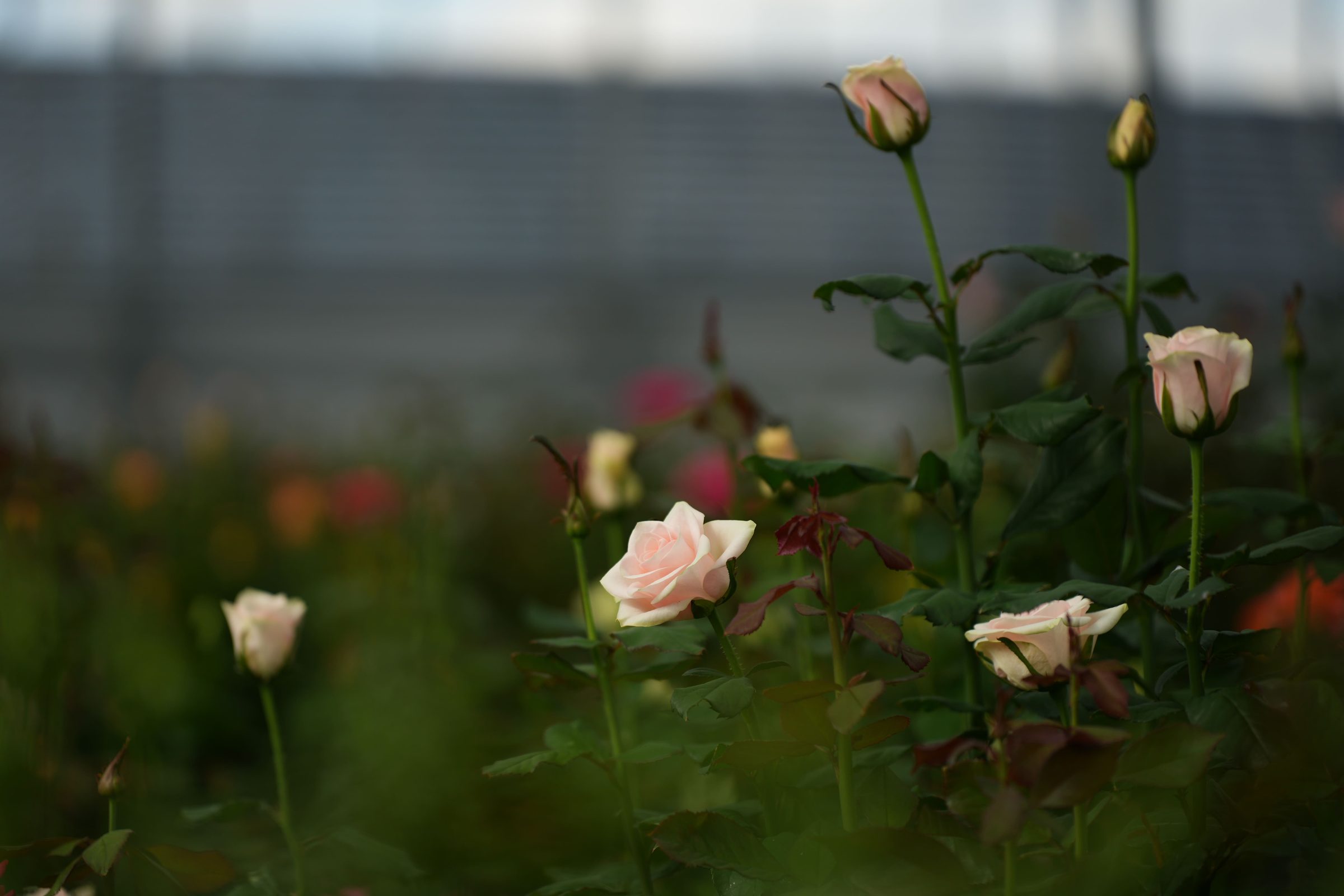
Garden rose surviving the open field
03The Winter

A long, deliberate cold

Seeds are extracted from the hips and given a long, cold rest, a mimicked Dutch winter that breaks their dormancy. Without this patience, no spring will ever come for them. Stratification is one of the slow, invisible acts of breeding: nothing happens, nothing must, while everything is being prepared.

Pale-pink garden rose seedling under selection
04The Seedling

Thousands of unique seedlings emerge

In spring, seedlings push through, and not one is the same as another. Every seed from the cross is a fresh genetic experiment. Within their first year, they begin to flower, and the breeder finally meets, for the first time, the roses they imagined when the cross was made, and dozens of others nobody asked for.

Cut rose ready for trial-bench evaluation
05The Shortlist

A brutal first selection

From thousands of seedlings, only a handful are kept. The vast majority are removed, too ordinary, too fragile, too close to varieties that already exist. Across the full breeding pipeline, roughly one seedling in a hundred thousand will ever be named and released. The cuts are made without ceremony.

A rose at maturity in the breeding greenhouse
06The Decade

Years of trial, then a name

Survivors are evaluated for years on form, colour, fragrance, vase life, productivity and disease resistance, across multiple climates, with growers around the world. Only after seven to ten years from the original cross is a new rose finally named, registered, and brought to market. Almost always under a single, deliberate name.

Anewrose doesnotarriveinamoment. Itisearned,slowly, acrossadecadeofwinters.
From the breeding bench · Boskoop
By the Numbers

The arithmetic of patience

Hover · find the rose one in 100,000

One in 100,000

Each gold-bordered field represents the seedlings that pass through our breeding pipeline in pursuit of a single named rose. The rest are kind, often beautiful, but not new enough, not better enough, to deserve the label.

The Selection Ratio
0
Years
From the first cross to the day a rose is named.
0
Criteria
Form, colour, fragrance, vase life, health, productivity.
0
Continents
Trials in Holland, Africa & Latin America before release.
What we look for

The qualities of a great rose

A rose can be beautiful and still fail. We select for all of this, all at once.

Form & colour

The shape of the bud, the way petals unfurl, the depth and clarity of pigment. The first thing the eye recognises, the last thing it forgets.

Visual

Fragrance

From classical damask to citrus, from tea to myrrh. A rose that smells of nothing has lost half of what it is.

Aromatic

Vase life & productivity

For cut roses: how long it lasts in the vase, and how generously the plant produces. Beauty is not enough; a rose must keep its promise.

14+ days · on the bench

Disease resistance

Strong against blackspot, mildew and the day-to-day pressures of real growing. A healthy rose needs less spray, less fuss, less rescue.

Field · tested

Climate tolerance

The same rose may need to perform in Holland, Kenya, Ecuador and Japan. We trial across continents before any name is committed to print.

3 continents

Distinctiveness

The world has thousands of roses already. A new variety must say something the others do not, or it doesn't deserve to be released.

Or it isn't released
What's next

Meet the newest roses from our bench

Every season brings a small, careful release of varieties that survived the long road. See what's leaving Boskoop now.